
ADVERTISEMENT
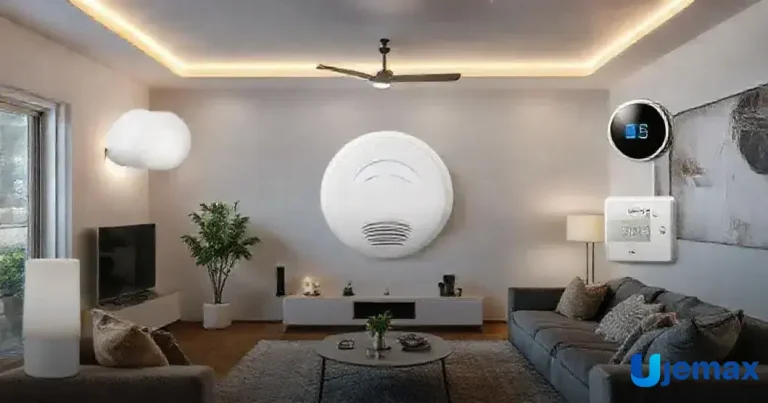
Smart Home Devices Beginners Should Try are becoming more popular as people look for simple ways to make daily life easier and more connected. With the right devices, even small changes can bring more comfort, convenience, and control to your home.
From lighting and security to energy savings, smart technology is no longer complicated or intimidating. Many options are designed specifically for beginners, with easy setup and intuitive features that fit naturally into your routine.
If you’re curious about upgrading your home without overcomplicating things, keep reading. There are practical, beginner-friendly options ahead that can help you get started with confidence.
What Are Smart Home Devices?
Smart home devices are gadgets that help make your home more convenient and efficient. They connect to the internet, allowing you to control them from your smartphone or tablet. This means you can manage lights, thermostats, security cameras, and more, all from one central place.
ADVERTISEMENT
These devices come in various forms, from smart speakers that play music to smart locks that secure your doors. They can also learn your habits, adjusting settings automatically to fit your lifestyle. For instance, a smart thermostat can lower the temperature when you leave home and warm it up before you return.
The idea behind smart home devices is to improve your quality of life. They save time, enhance security, and can even help you save money on energy bills. With so many options available, beginners can easily find devices that suit their needs and preferences.
Benefits of Smart Home Technology
Smart home technology offers many benefits, making everyday life easier and more enjoyable. One of the biggest advantages is convenience. With smart devices, you can control things like lights, heating, and appliances from your phone or through voice commands. This means you can adjust your home without getting up from your couch!
Another benefit is improved security. Smart cameras and door locks help keep your home safe by allowing you to monitor your property from anywhere. You can receive alerts on your phone if there’s any movement around your home, giving you peace of mind, especially when you’re away.
Finally, smart home technology can save you money. Many devices are designed to be energy-efficient. For example, a smart thermostat learns your schedule and adjusts the heating or cooling based on when you’re home. This can lead to lower energy bills, making your smart home not just convenient but also cost-effective.
Essential Smart Home Devices for Beginners
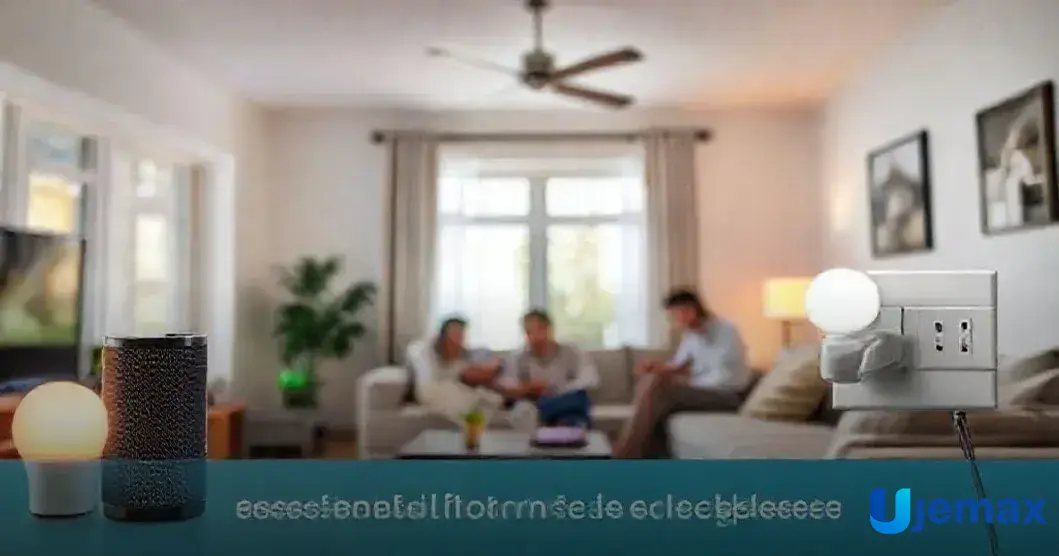
For beginners looking to dive into the world of smart homes, starting with essential devices is key. A smart speaker is a great first choice. It acts as a command center for your smart home. You can ask it to play music, control other devices, or answer questions simply by talking to it.
Another essential device is a smart light bulb. These bulbs can be controlled remotely, allowing you to change their brightness or color from your phone. You can even set schedules so your lights turn on and off automatically, adding both convenience and security to your home.
A smart plug is also a fantastic addition. It allows you to turn ordinary devices into smart devices. Simply plug something like a coffee maker or fan into the smart plug, and you can control it with your phone or voice. This makes managing your home easier and helps save energy.
How to Choose Smart Home Devices
Choosing smart home devices can be exciting but also a bit overwhelming. Start by identifying your needs. Think about which areas of your home could benefit from smart technology, such as lighting, security, or heating. What makes your life easier? Knowing what you want will help you focus on the devices that matter most to you.
Next, consider compatibility. Some devices work better together than others. Look for products that are compatible with your existing smart speaker or hub. This ensures that all your devices can communicate with each other smoothly. Reading reviews and product descriptions can help you make informed choices about compatibility.
Lastly, set a budget. Smart home devices come in various price ranges. Decide how much you are willing to spend before you start shopping. Finding devices that fit your budget while still meeting your needs is important. Look for sales or bundles, which can make your investments more cost-effective.
Setting Up Your Smart Home
Setting up your smart home is a fun and easy process. Start by choosing a central hub or smart speaker. This device will connect all your other smart gadgets, allowing you to control them from one place. Follow the manufacturer’s instructions to set up your hub, and make sure it’s connected to your Wi-Fi network to function properly.
Once your hub is ready, begin adding your smart devices. Start with a few essential gadgets, like smart light bulbs or plugs. Follow the setup instructions for each device, which usually include downloading an app and connecting it to your hub. Make sure to test each device to ensure it works as planned before adding more to your smart home.
Organization is key during the setup process. Create groups for your devices based on their location or type. For example, you can have a group for kitchen devices and another for outdoor security. This will make it easier to manage everything. As you expand your smart home, keeping things organized will help you enjoy your connected lifestyle.
Integrating Devices with Smart Assistants

Integrating devices with smart assistants is a simple way to enhance your smart home experience. First, check the compatibility of your smart devices with your chosen assistant, like Amazon Alexa, Google Assistant, or Apple Siri. Most modern devices come with clear instructions on how to link them. Simply use an app to follow the prompts that will connect your devices to your smart assistant.
Once connected, you can control your devices using just your voice. For example, you can say, ‘Turn on the living room lights’ or ‘Set the thermostat to 72 degrees.’ This hands-free convenience makes your home smarter and more enjoyable to live in. Also, many assistants can help you create routines or schedules, allowing you to automate tasks throughout your day.
Don’t forget to explore the features of your smart assistants. They can manage multiple devices at once and provide updates on the status of your home. For example, you can ask your assistant for a status report on your security cameras or if any doors are unlocked. Learning how to use these features will help you get the most out of your smart home setup.
Smart Home Security Devices
Smart home security devices are essential for keeping your home safe and secure. One popular option is the smart security camera. These cameras let you monitor your property from anywhere using your smartphone. Many come with features like night vision and motion detection, so you can receive alerts when something unusual happens.
Another important device is the smart doorbell. A smart doorbell has a built-in camera that allows you to see who is at your door, even if you are not home. You can talk to visitors through your smartphone, making it feel like you are right there. This adds an extra layer of security and convenience to your home.
Smart locks are also worth considering. These locks allow you to lock and unlock your doors remotely. You can set codes for trusted friends or family members, giving them access without needing a physical key. Some smart locks even let you know when someone enters your home, helping you keep track of who is coming and going.
Energy Efficiency with Smart Home Devices
Energy efficiency is one of the biggest advantages of using smart home devices. Smart thermostats, for instance, can learn your daily schedule and adjust the temperature automatically. This means your home stays comfortable without wasting energy when you’re not there. You can save money on your energy bills while also doing your part for the environment.
Smart lighting is another great way to improve energy efficiency. With smart bulbs, you can set schedules to automatically turn off lights when you leave a room. Some smart lights can even adapt their brightness based on the time of day, helping to reduce energy use while still providing adequate lighting.
Using smart plugs is an easy way to make regular appliances more energy-efficient. You can control when devices like fans or coffee makers turn on and off remotely, ensuring they don’t use energy when you don’t need them. Monitoring your energy consumption through smart devices can help you identify areas to save even more.
Future Trends in Smart Home Technology
The future of smart home technology promises exciting advancements that can enhance our everyday lives. One major trend is the increased use of artificial intelligence (AI) in smart devices.
With AI, devices can learn from user habits and preferences to provide personalized experiences. For example, a smart thermostat may adjust its settings automatically based on your daily routines, ensuring comfort and energy efficiency.
Another trend is the growing focus on interoperability. As more smart devices enter our homes, the need for them to work together seamlessly is crucial. Future devices will increasingly support multiple platforms, allowing users to control all their smart gadgets from one app or interface. This will simplify the user experience and make managing a smart home much easier.
Furthermore, we can expect advancements in home security features. New smart home security systems will integrate biometric technologies, like facial recognition or fingerprint scanning, adding extra layers of safety. These advancements will help homeowners monitor their properties and control access with more precision than ever before.