

ADVERTISEMENT
Starting eco-friendly business ideas is a responsible way to contribute to a sustainable future. These concepts not only help the planet but can also generate impressive profits. More consumers are seeking out green options, making it a profitable endeavor.
Whether you’re an aspiring entrepreneur or an established business owner, integrating eco-friendly practices can enhance your brand image and appeal. This shift toward sustainability can set you apart in a crowded market.
Keep reading to discover exciting eco-friendly business ideas that can inspire your next venture!
Benefits of Eco-Friendly Businesses
Eco-friendly businesses have a positive impact on the environment. They reduce waste, conserve resources, and promote sustainability. By choosing green practices, these businesses help protect the planet for future generations.
ADVERTISEMENT
Another benefit is the growing customer demand for sustainable products. People today prefer to buy from companies that care about the environment. This means eco-friendly businesses often see an increase in sales and customer loyalty.
Lastly, going green can save money in the long run. Using energy-efficient methods and materials can lower operating costs. With these savings, eco-friendly businesses can invest in further growth and innovation.
Top Eco-Friendly Business Ideas
One great eco-friendly business idea is starting a sustainable fashion line. This involves creating clothing using organic materials and eco-friendly dyes. With more people becoming aware of the fashion industry’s impact on the environment, this business can attract a passionate customer base.
Another popular idea is launching a zero-waste store. These shops sell products without packaging, allowing customers to bring their containers. This helps reduce plastic waste and raises awareness about sustainable living, making it both a profitable and impactful venture.
Lastly, consider starting an eco-friendly cleaning service. Using natural, non-toxic cleaning products can make homes safer for families and the environment. As more people look for healthier options, this business can tap into a growing market.
How to Start an Eco-Friendly Business

Starting an eco-friendly business begins with choosing the right idea. Think about what you love and how you can make it sustainable. Research different markets to see where your passions can meet the need for greener options. Finding your niche is crucial for success.
Next, create a solid business plan. This should outline your goals, target audience, and how you plan to operate sustainably. Consider what materials and resources you will use. Being clear about your eco-friendly practices will help attract customers who care about the environment.
Finally, focus on marketing your business. Use social media and local events to spread the word about your eco-friendly options. Building a community around your brand can lead to loyal customers. Remember, being genuine and passionate about sustainability will resonate with your audience.
Marketing Strategies for Green Businesses
One effective marketing strategy for green businesses is to tell your story. Share your mission and values with customers. Let them know why you choose eco-friendly practices and how they benefit the environment. When people understand your passion, they are more likely to connect with your brand.
Using social media is another great way to reach your audience. Create engaging posts that showcase your products and promote sustainable living tips. You can also collaborate with eco-influencers who share your beliefs. This will expand your reach and put your brand in front of new customers who care about going green.
Finally, consider hosting community events focused on sustainability. Organizing clean-up days, workshops, or informational sessions can create a strong bond between your business and the local community. These events not only promote your brand but also advocate for a greener future, which can attract loyal customers.
Funding Options for Eco-Friendly Ventures
When looking for funding options for eco-friendly ventures, consider applying for grants. Many government and nonprofit organizations offer grants specifically for green businesses. These funds do not need to be paid back, making them a great way to support your sustainable initiatives.
Another option is crowdfunding. You can use platforms like Kickstarter or Indiegogo to raise money for your eco-friendly project. By showcasing your business idea, you can attract backers who are passionate about the environment. This method also builds a community around your brand before you even launch.
Additionally, don’t overlook the possibility of finding investors interested in sustainable businesses. Many venture capitalists and angel investors focus on green companies. Pitching your eco-friendly idea to these investors can secure significant funding while connecting you with mentors who share your passion.
Challenges of Running an Eco-Friendly Business

Running an eco-friendly business can come with challenges, especially when it comes to sourcing materials. Many sustainable products are more expensive than conventional options. This can make it difficult to keep prices competitive while ensuring your business remains profitable.
Another challenge is changing consumer habits. Some customers may not be fully aware of the benefits of eco-friendly products. This means that educating your audience about the value and importance of sustainability can take time and effort, which may slow down initial growth.
Additionally, navigating regulations and certifications can be complex. Many eco-friendly products must meet specific standards to be considered environmentally safe. Staying updated on these regulations can be overwhelming, but it is crucial for maintaining credibility in the green market.
Success Stories of Eco-Friendly Startups
One inspiring success story is that of a startup called BioLite. This company created eco-friendly cookstoves that reduce smoke and emissions in developing countries. Their innovative design also converts heat into electricity, helping families stay safe and connected. Thanks to their efforts, many lives have improved, and they’ve gained worldwide recognition.
Another great example is Thrive Market, an online grocery store that offers organic and non-GMO products at affordable prices. By cutting out middlemen and focusing on sustainability, they provide a platform for customers to shop ethically. Their growth shows that consumers value sustainable options when they are accessible and affordable.
Lastly, EcoVessel has made a name for itself with reusable water bottles and containers. Their commitment to reducing plastic waste has resonated with environmentally conscious consumers. By using sustainable materials and innovative designs, they’ve secured a loyal customer base and helped reduce the use of single-use plastics.
Innovative Technologies for Green Businesses
One innovative technology that is transforming green businesses is solar energy systems. Solar panels allow businesses to generate their own electricity using the sun’s energy. This not only reduces dependence on non-renewable energy sources but also cuts costs in the long run. As technology improves, solar energy is becoming more accessible and efficient for businesses of all sizes.
Another exciting development is the use of smart sensors. These sensors can monitor energy and water usage in real-time. By analyzing this data, businesses can identify areas for improvement and reduce waste. This helps create a more sustainable operation while saving money on resource consumption.
Additionally, biodegradable materials are changing how products are made and packaged. Companies are now using plant-based plastics and compostable alternatives to traditional materials. This shift not only minimizes plastic waste but also promotes a circular economy, where products are reused, recycled, or turned back into nature.
Future Trends in Eco-Friendly Business
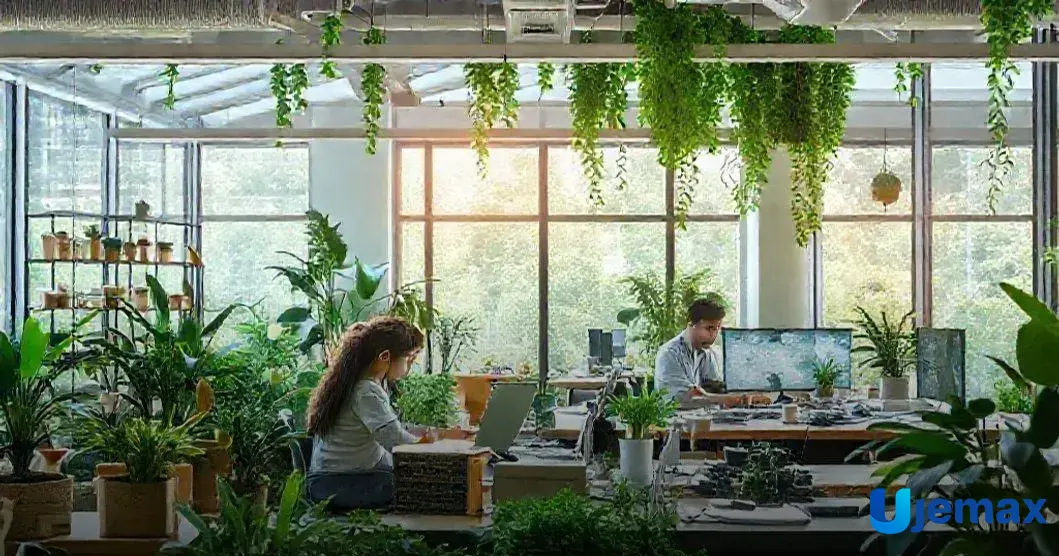
One future trend in eco-friendly business is the rise of sustainable packaging. Companies are moving away from plastic and choosing materials that are biodegradable or recyclable. This change not only helps reduce waste but also meets consumer demand for greener options. As innovations in packaging continue, we can expect even more creative solutions that protect the planet.
Another trend is the increasing popularity of remote work. With more people working from home, businesses can reduce their carbon footprint by cutting back on office space and commuting. This shift allows for more flexibility and can lead to a healthier work-life balance, proving that sustainability and productivity can go hand in hand.
Lastly, eco-friendly technology will play a significant role in the future. Sustainable practices, like using energy-efficient appliances and smart devices that optimize resource use, will become common in all types of businesses. As technology evolves, it will likely offer even more ways to operate sustainably while improving efficiency.